This is Not a Solo Show
Michelle Cawthorn and Peter Sharp
7 March - 31 May 2026
Wollongong Art Gallery, Wollongong, NSW
Marking the tenth anniversary of their ongoing artistic collaboration, Michelle Cawthorn and Peter Sharp revisit This Is Not a Solo Show, a project exploring how their distinct practices intersect and diverge. While Sharp’s paintings capture the external rhythms of the natural world, Cawthorn’s works chart the internal terrain of thought and emotion.
Presented together, their works become a meditation on dialogue — between partners, materials and perspectives. This third iteration includes reconfigured works from earlier exhibitions at Verge Gallery, Sydney, 2016 and ANCA, Canberra, 2024, alongside new pieces conceived during their 2025 residency at the Josef and Anni Albers Foundation in Connecticut, USA.
Wollongong Art Gallery website, 2026
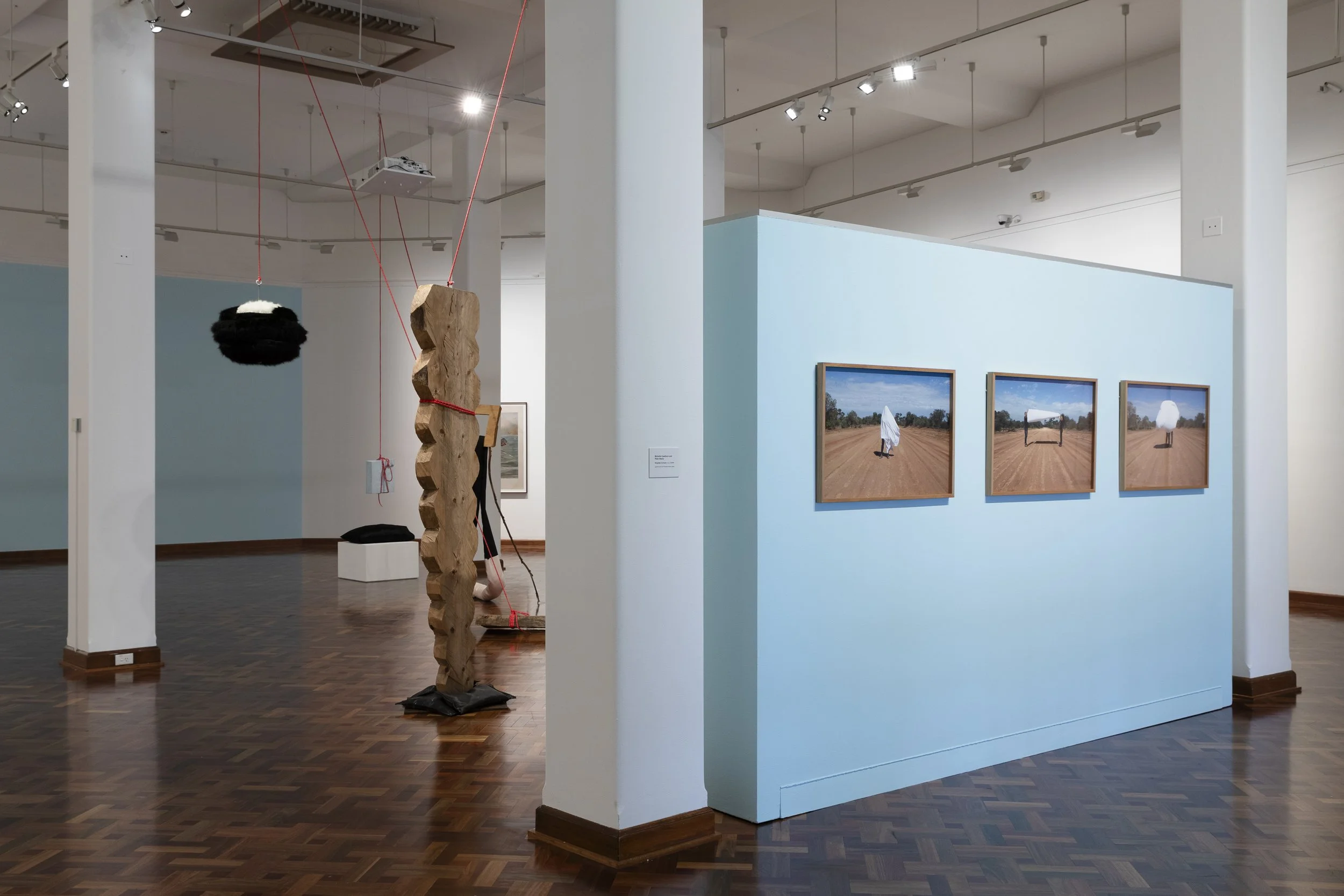
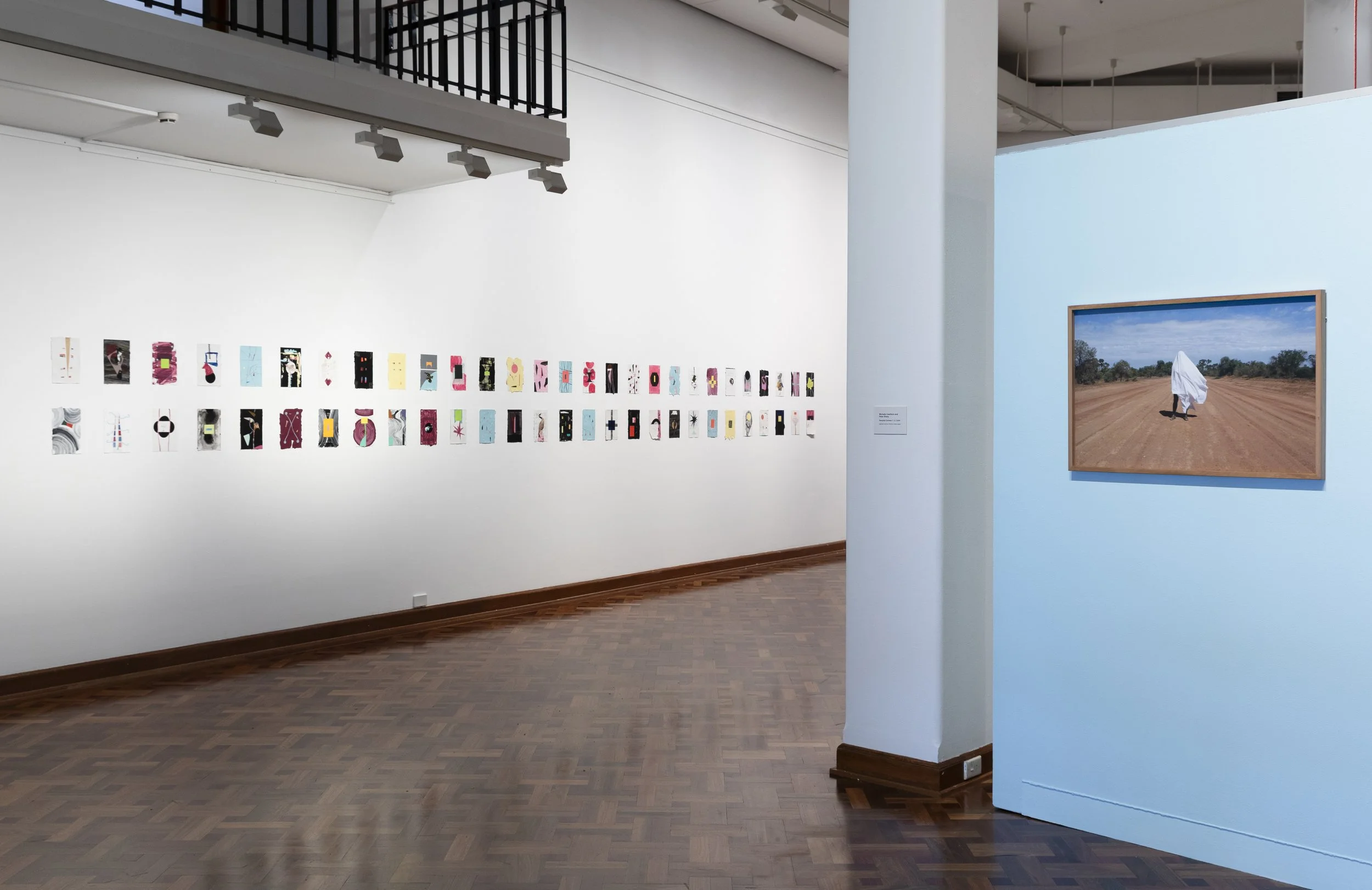
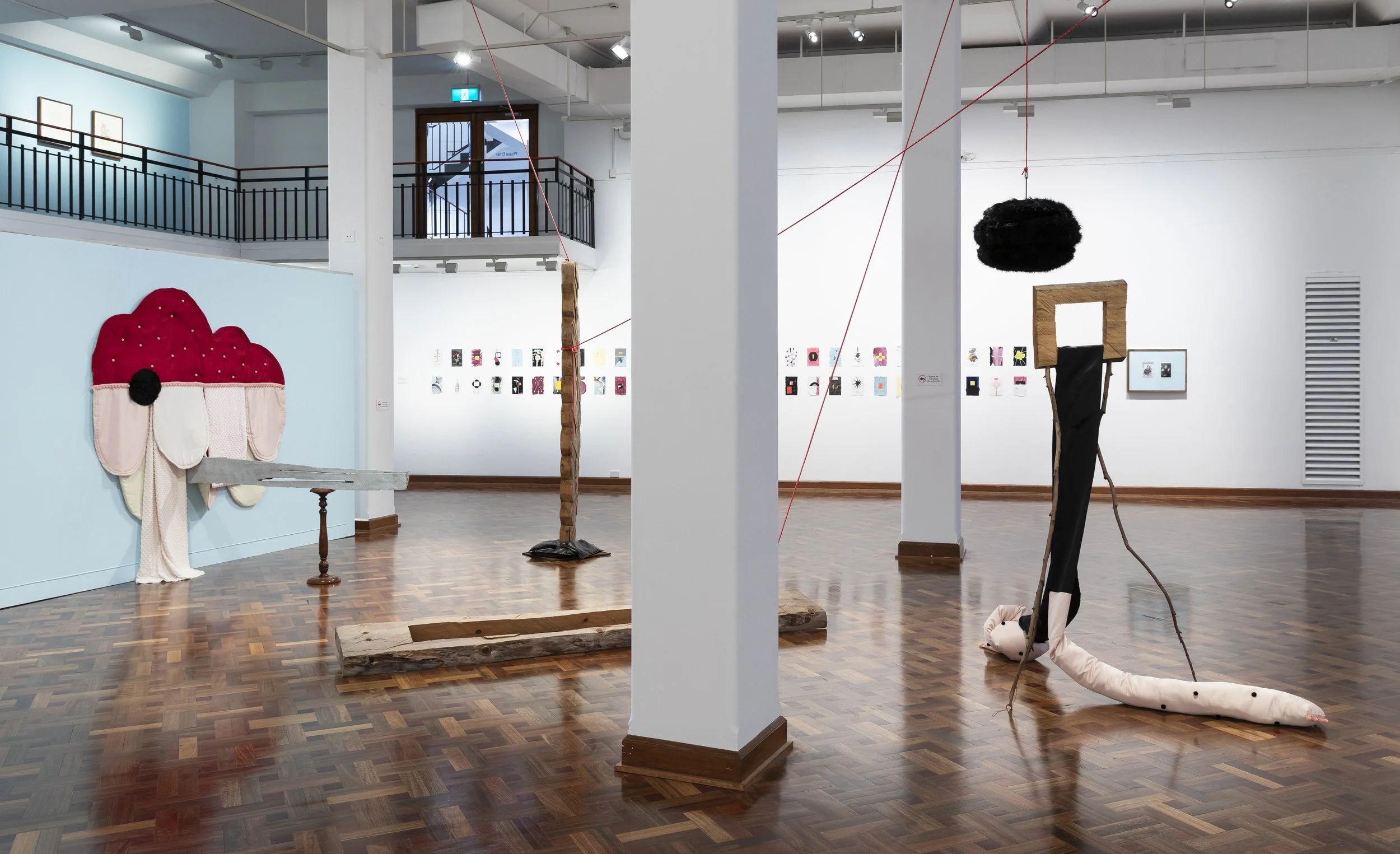
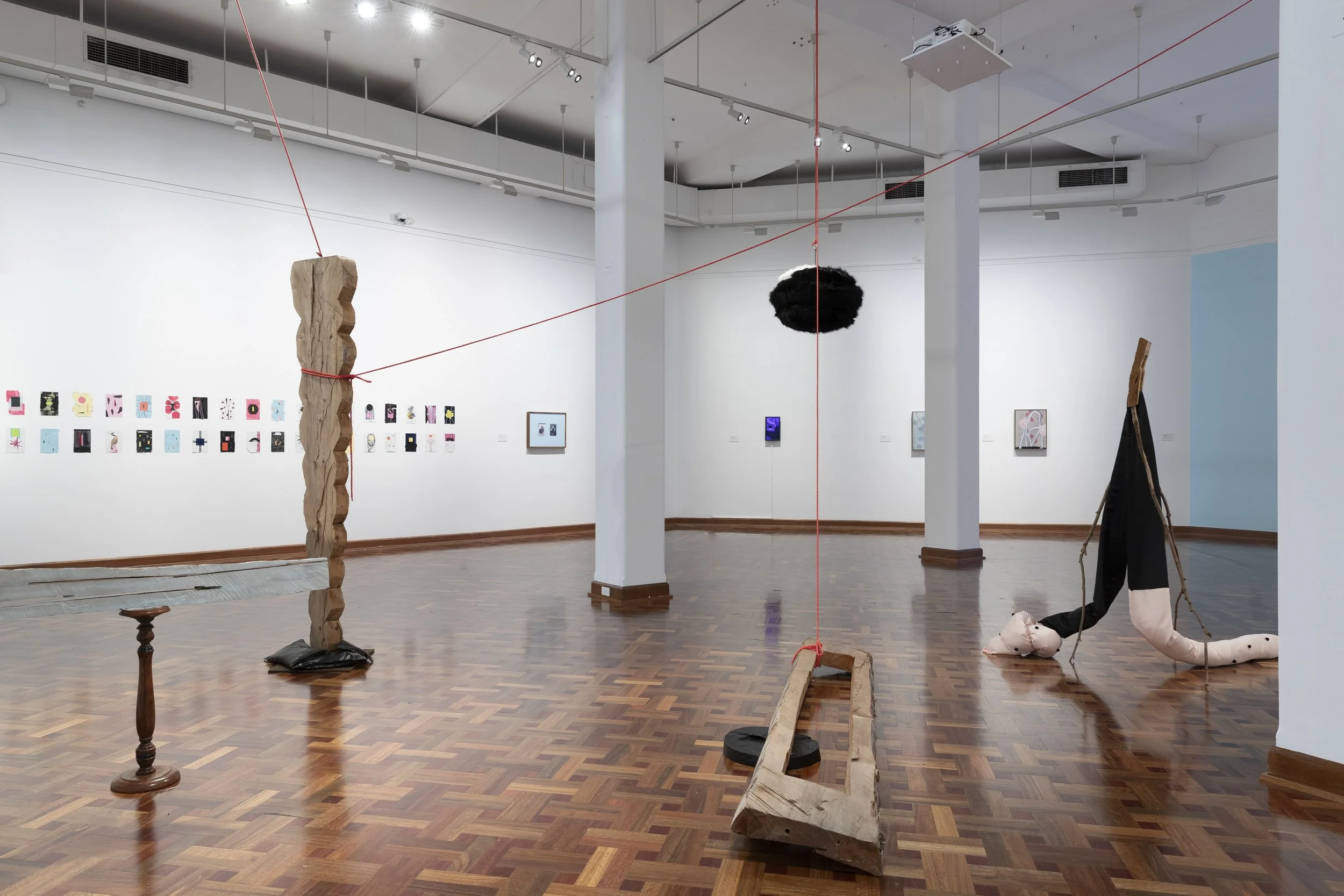
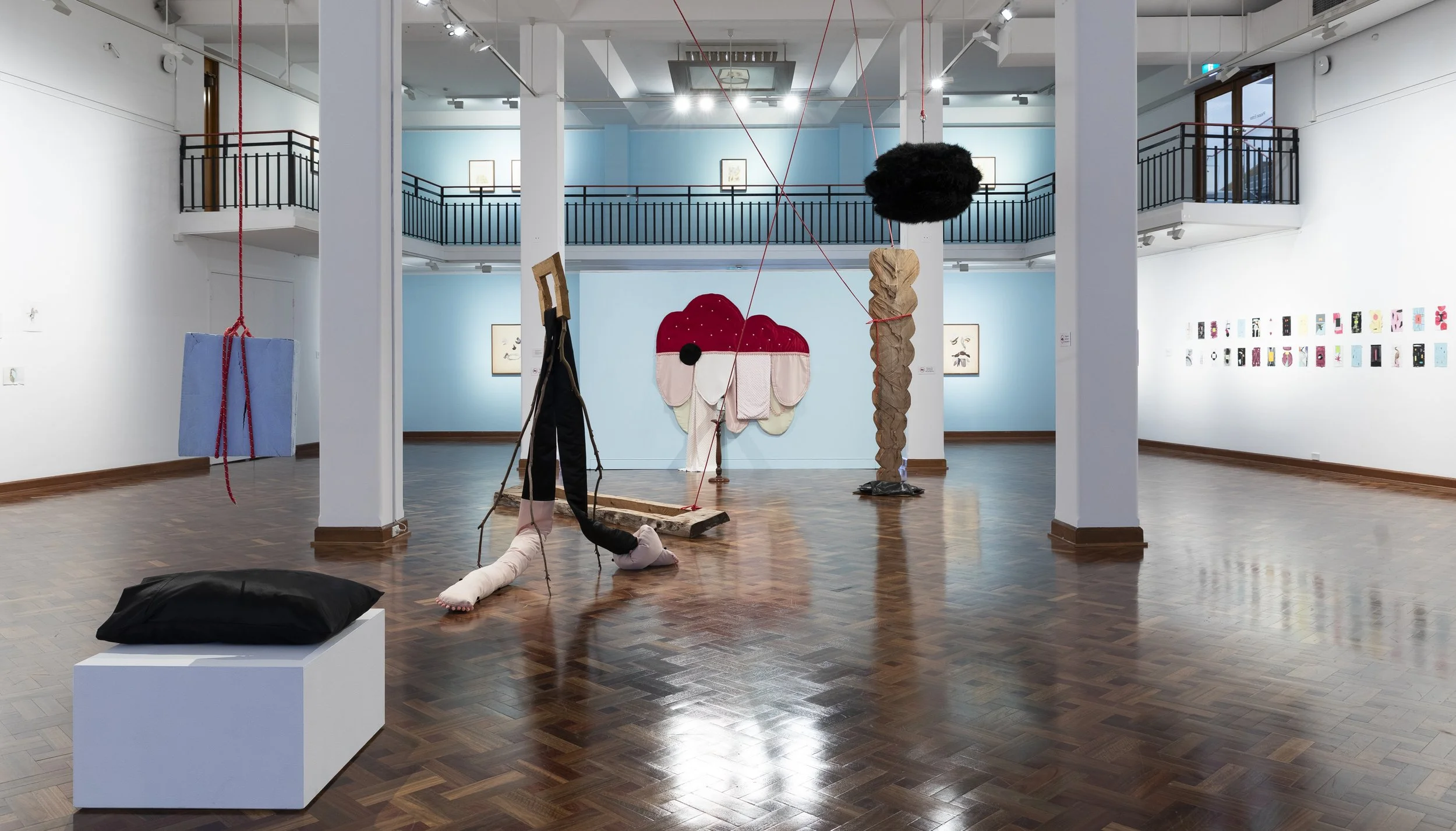
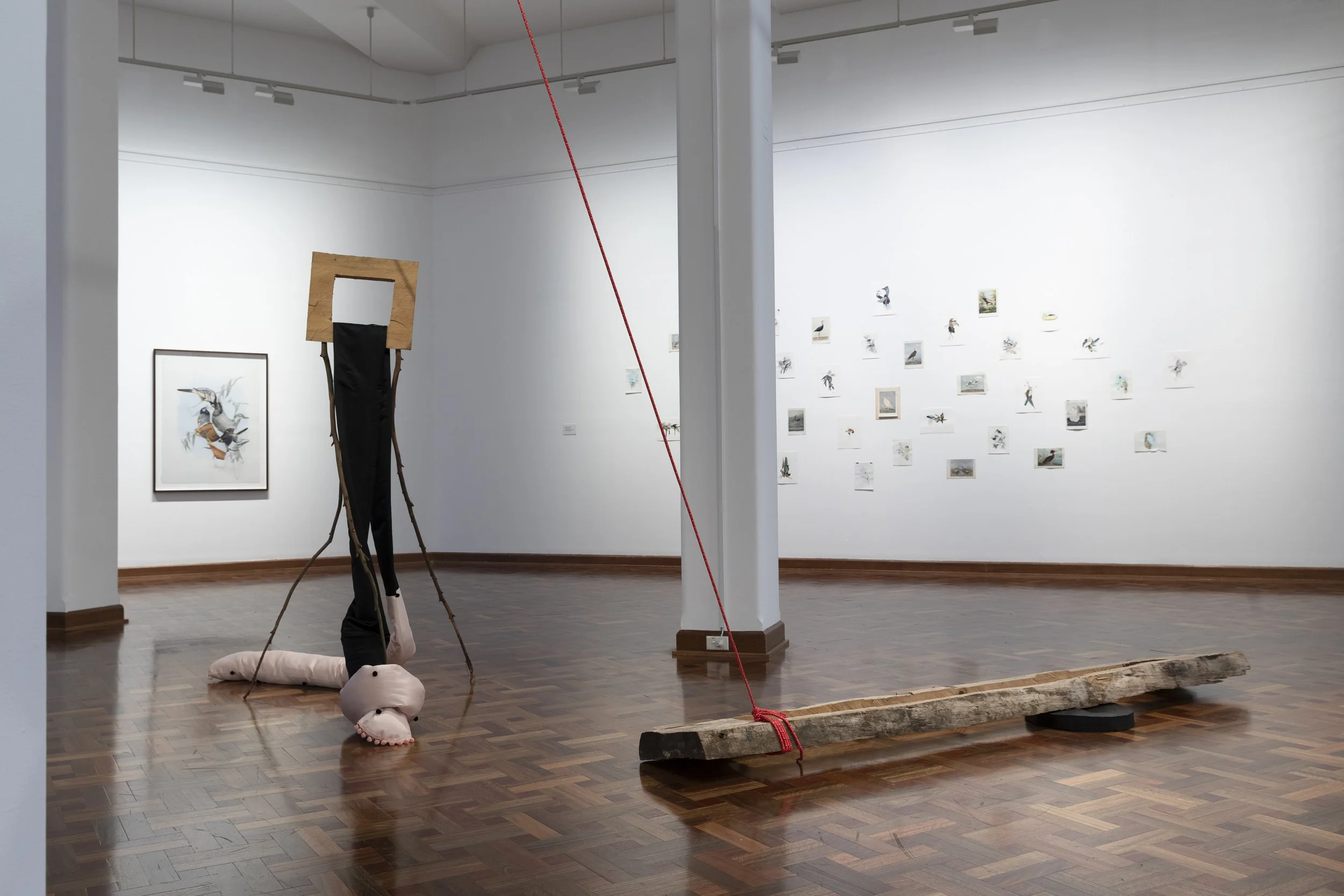
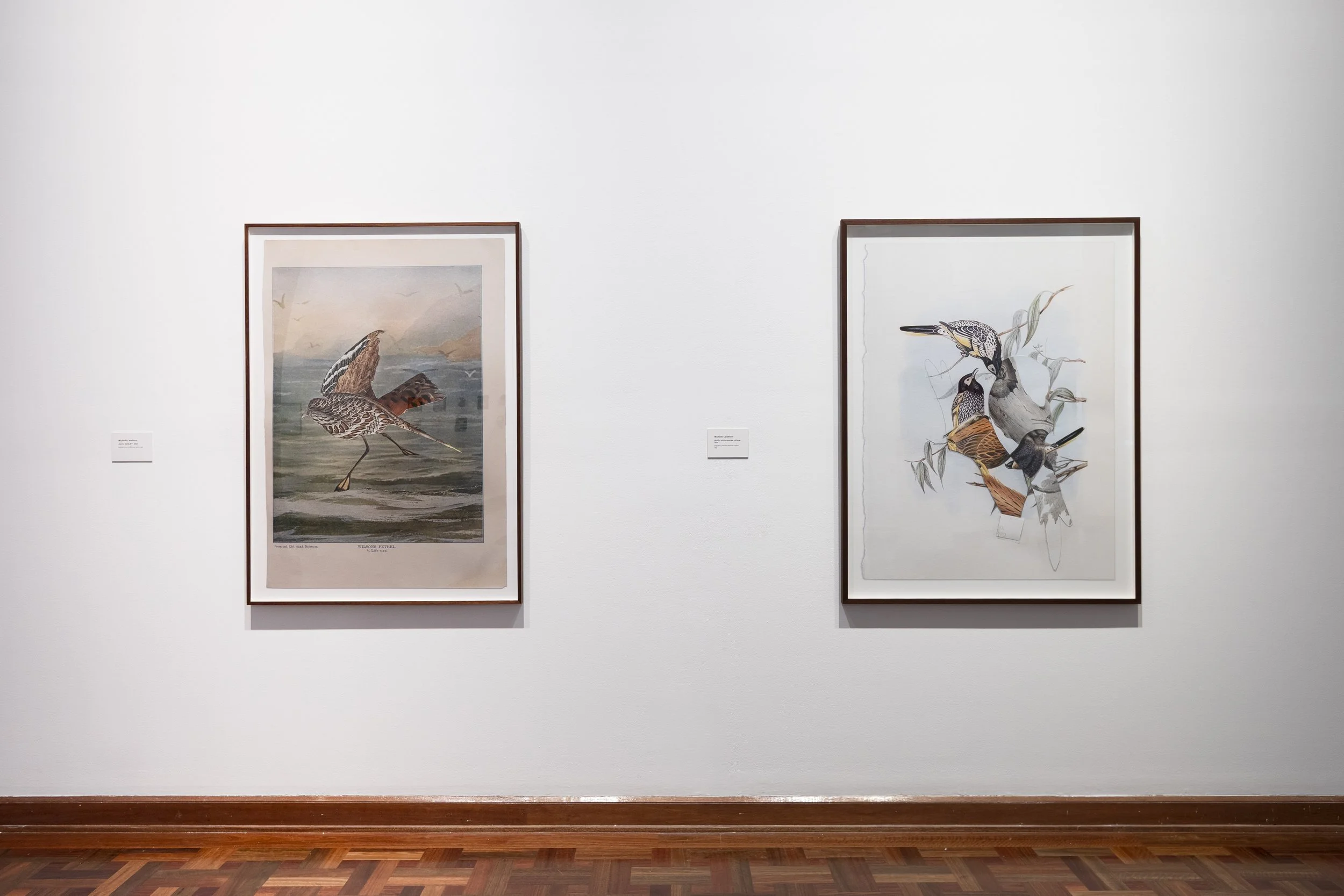
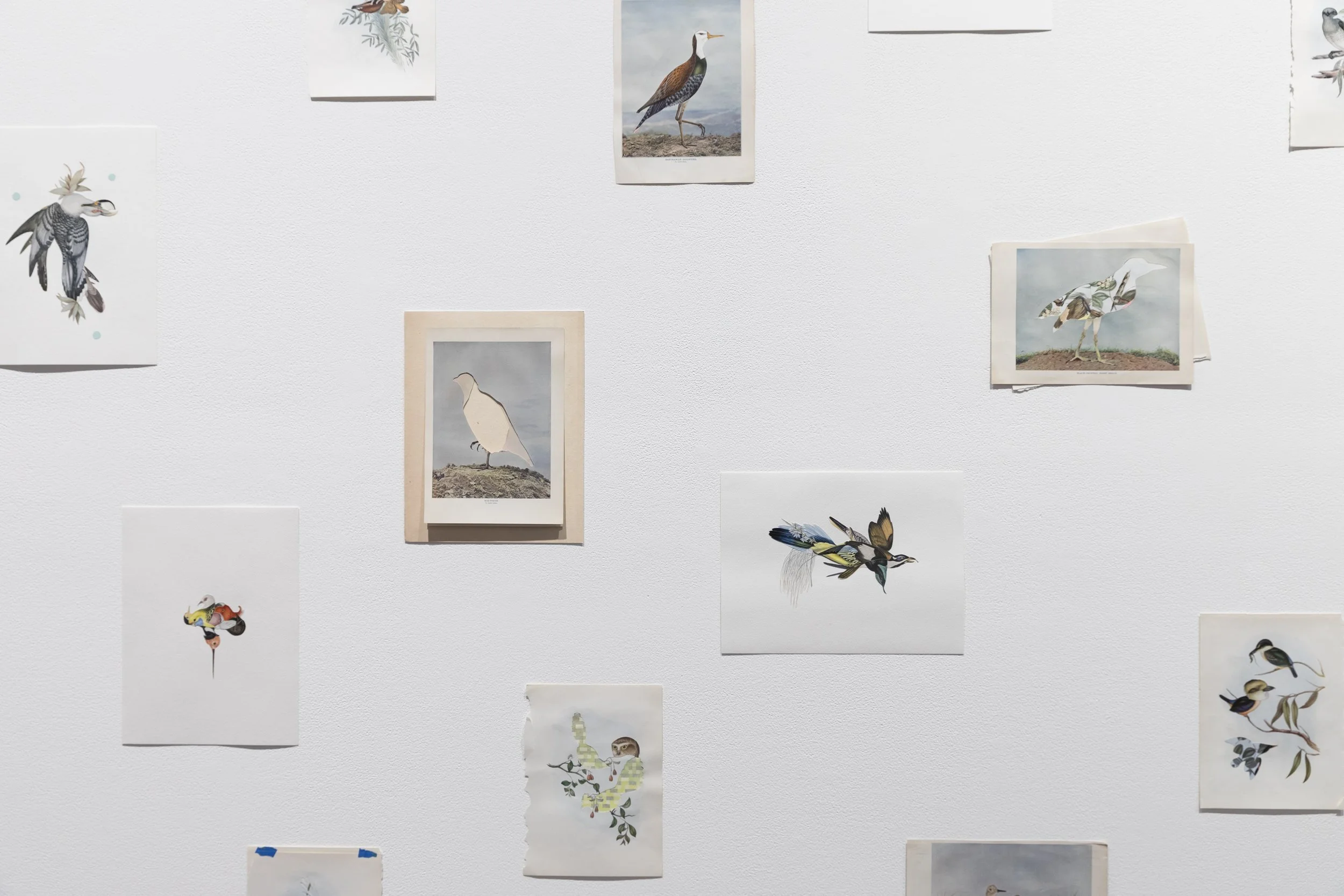
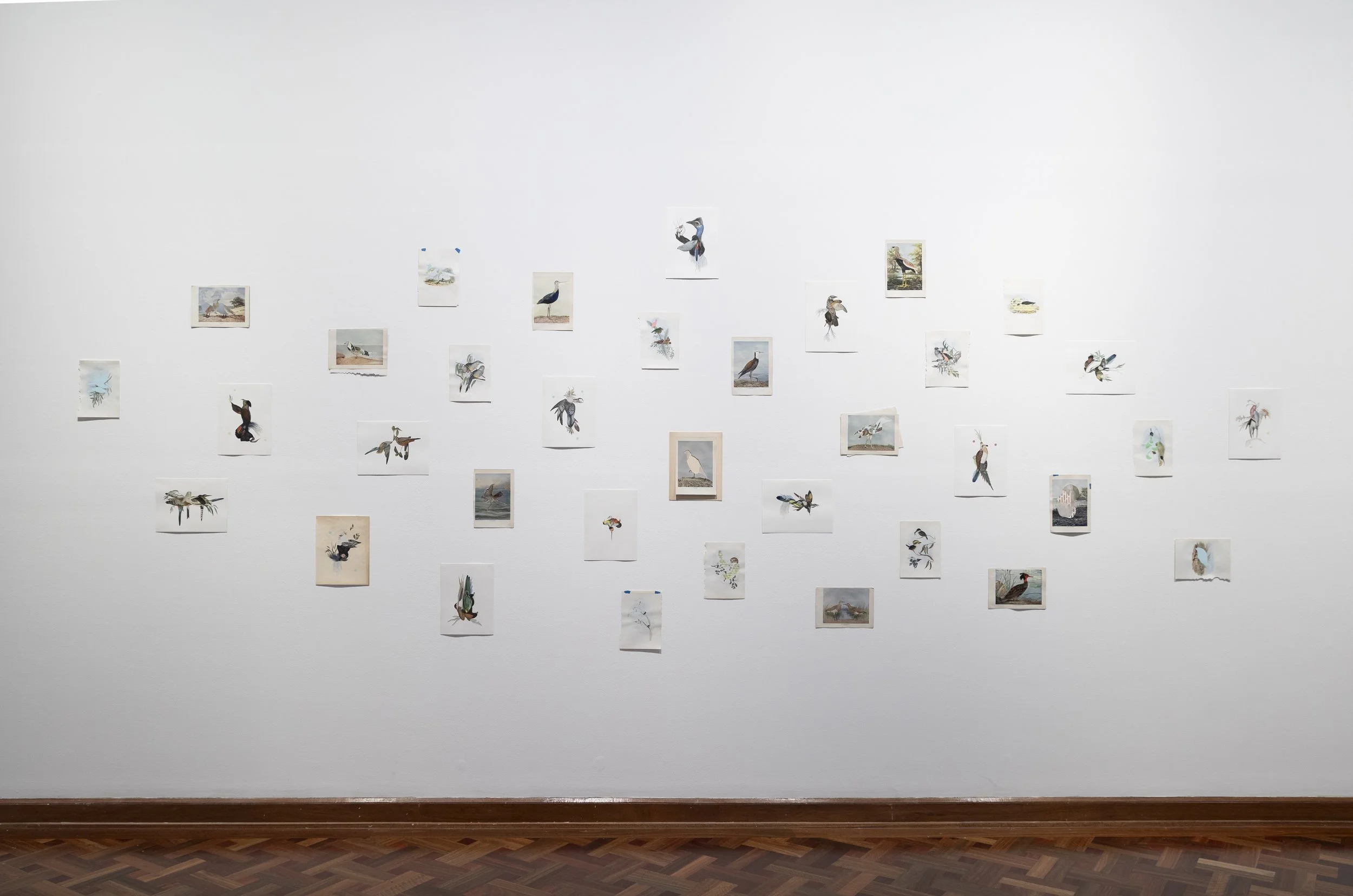
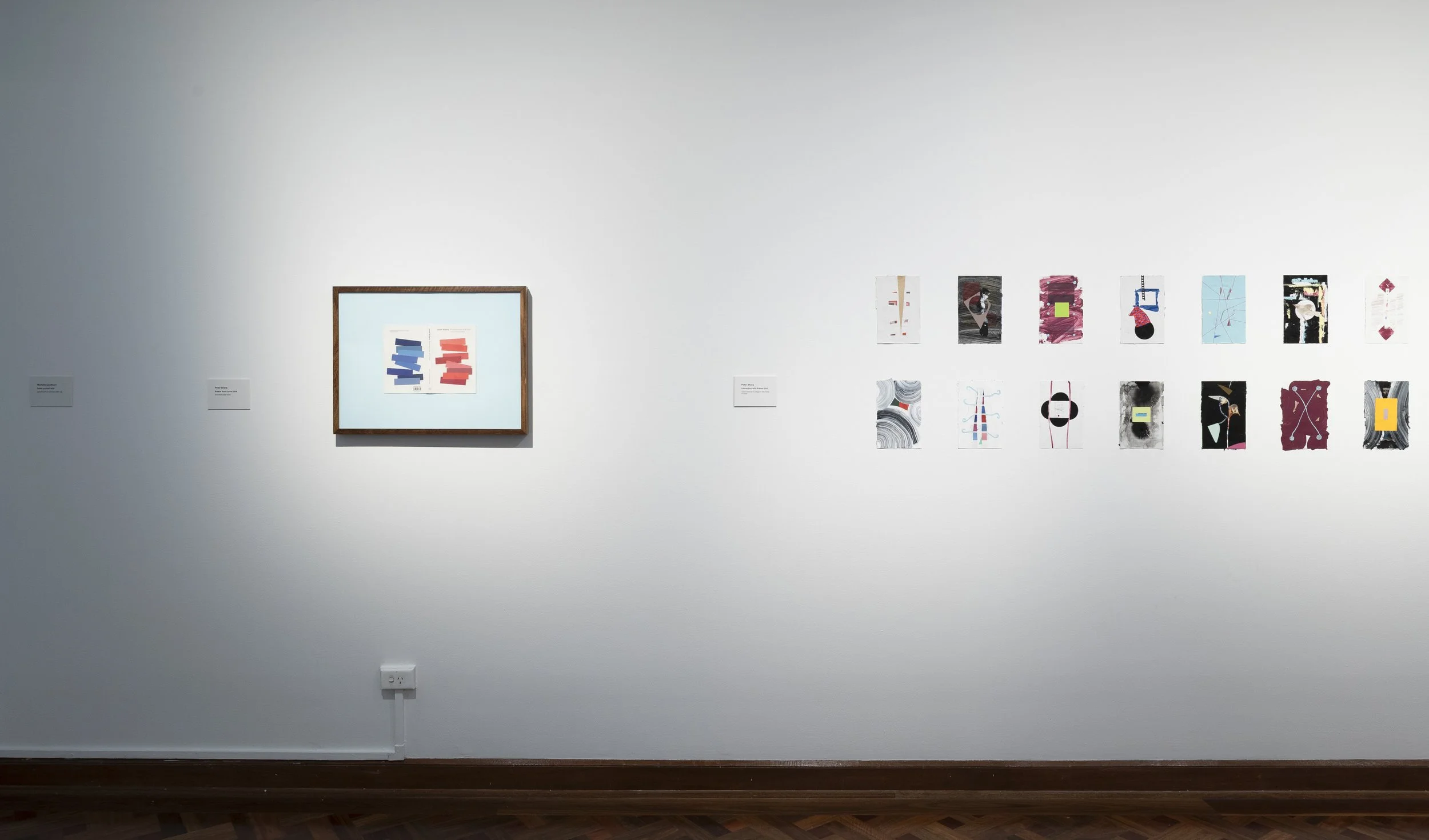
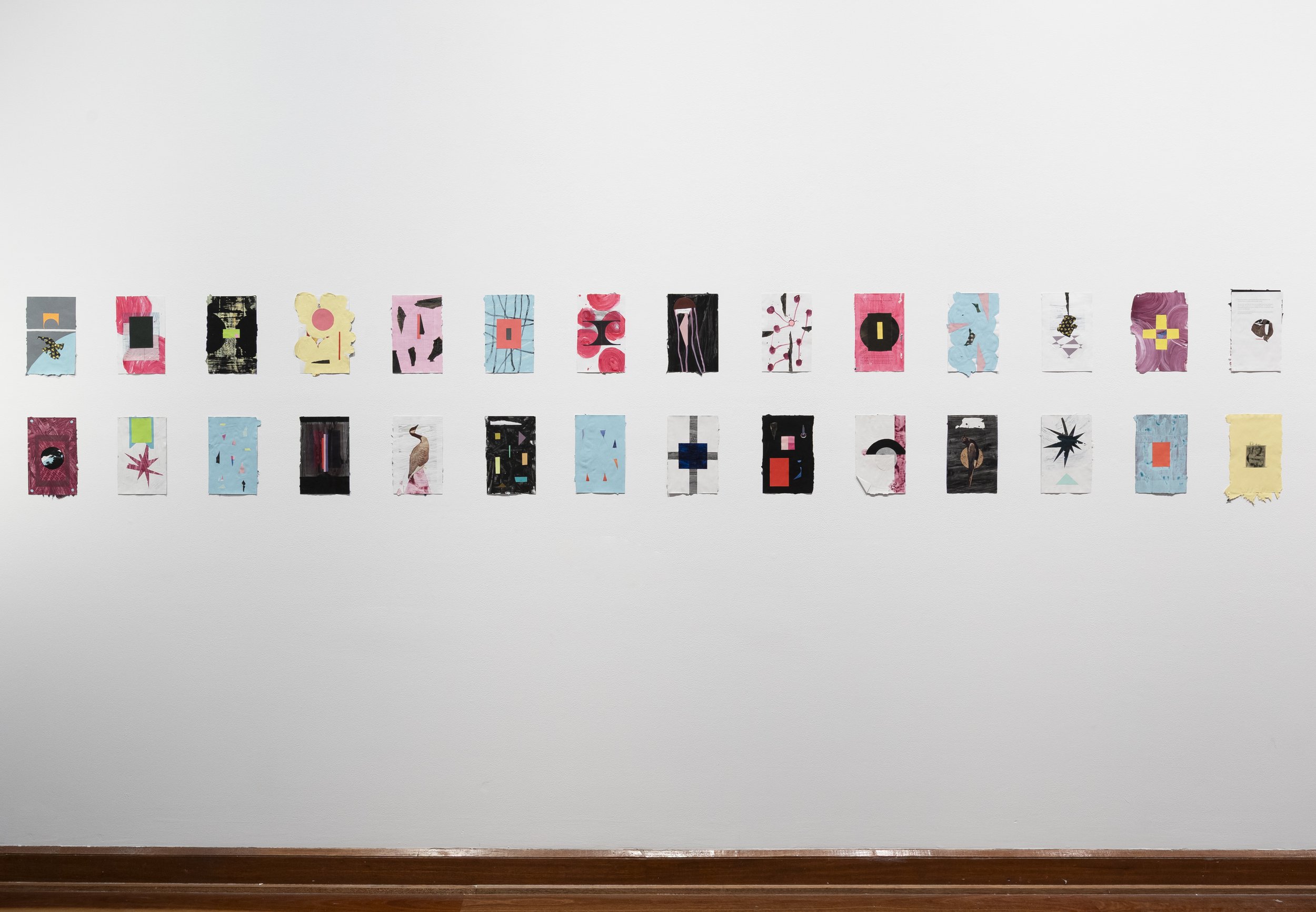
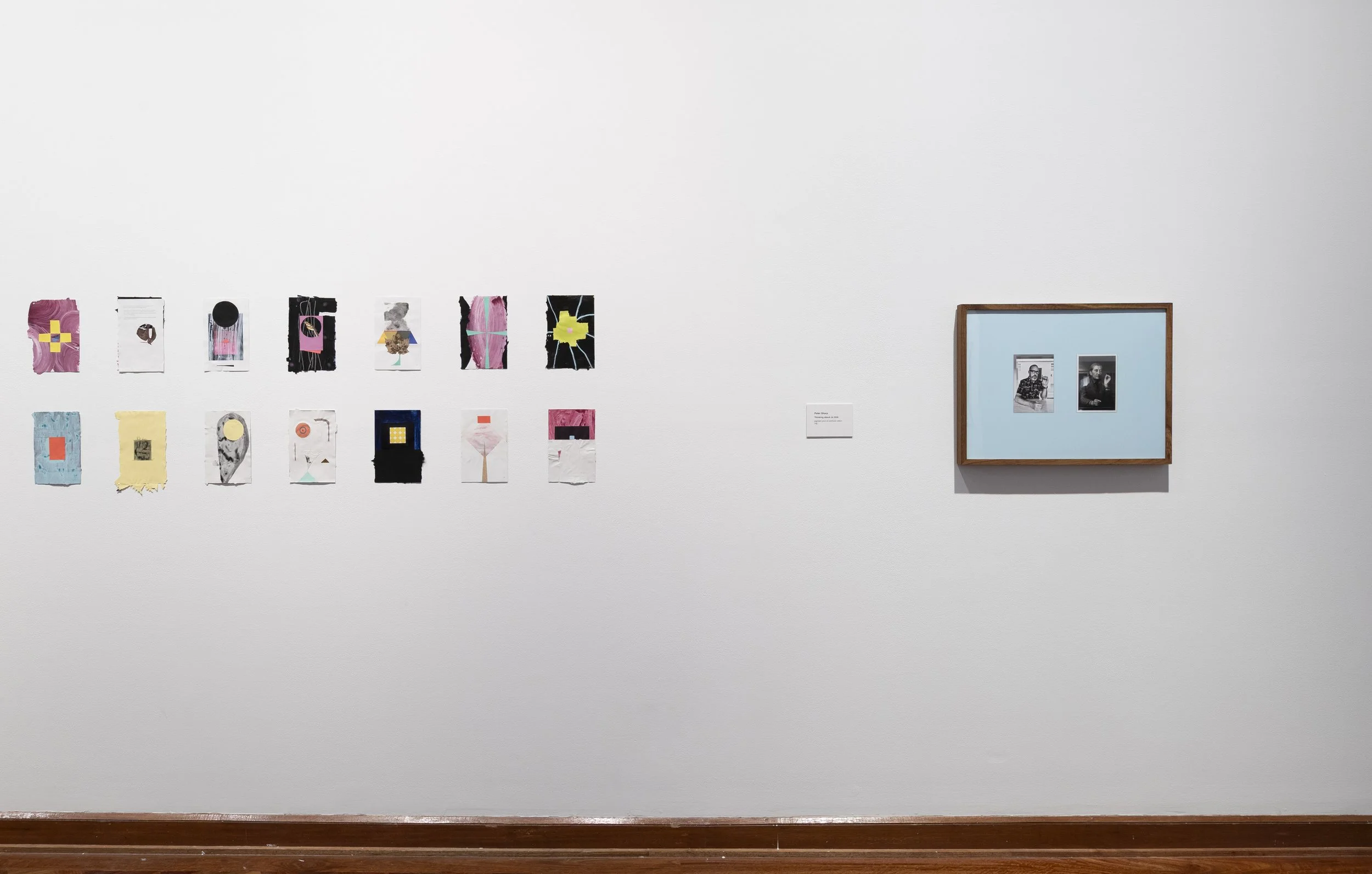
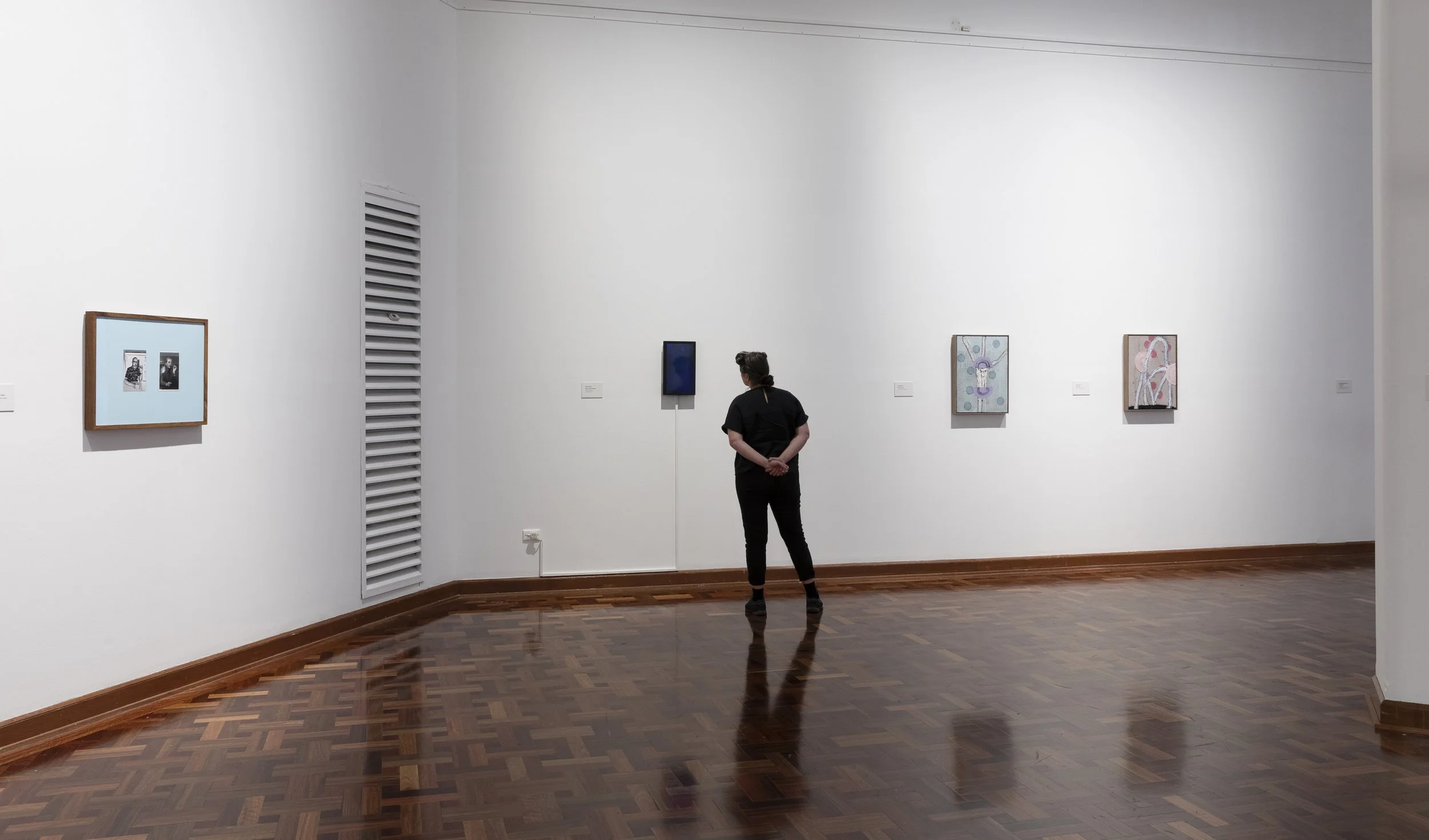
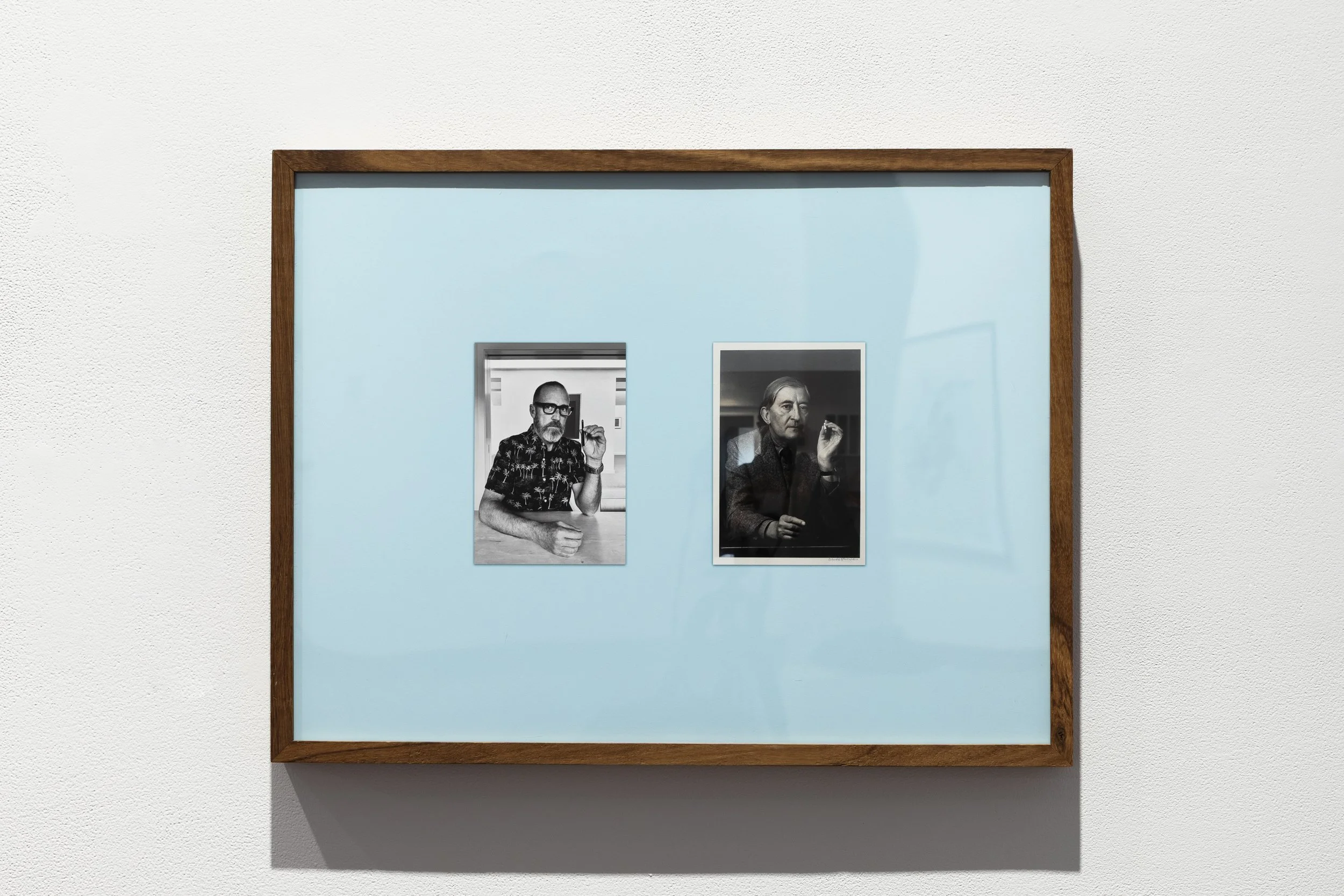
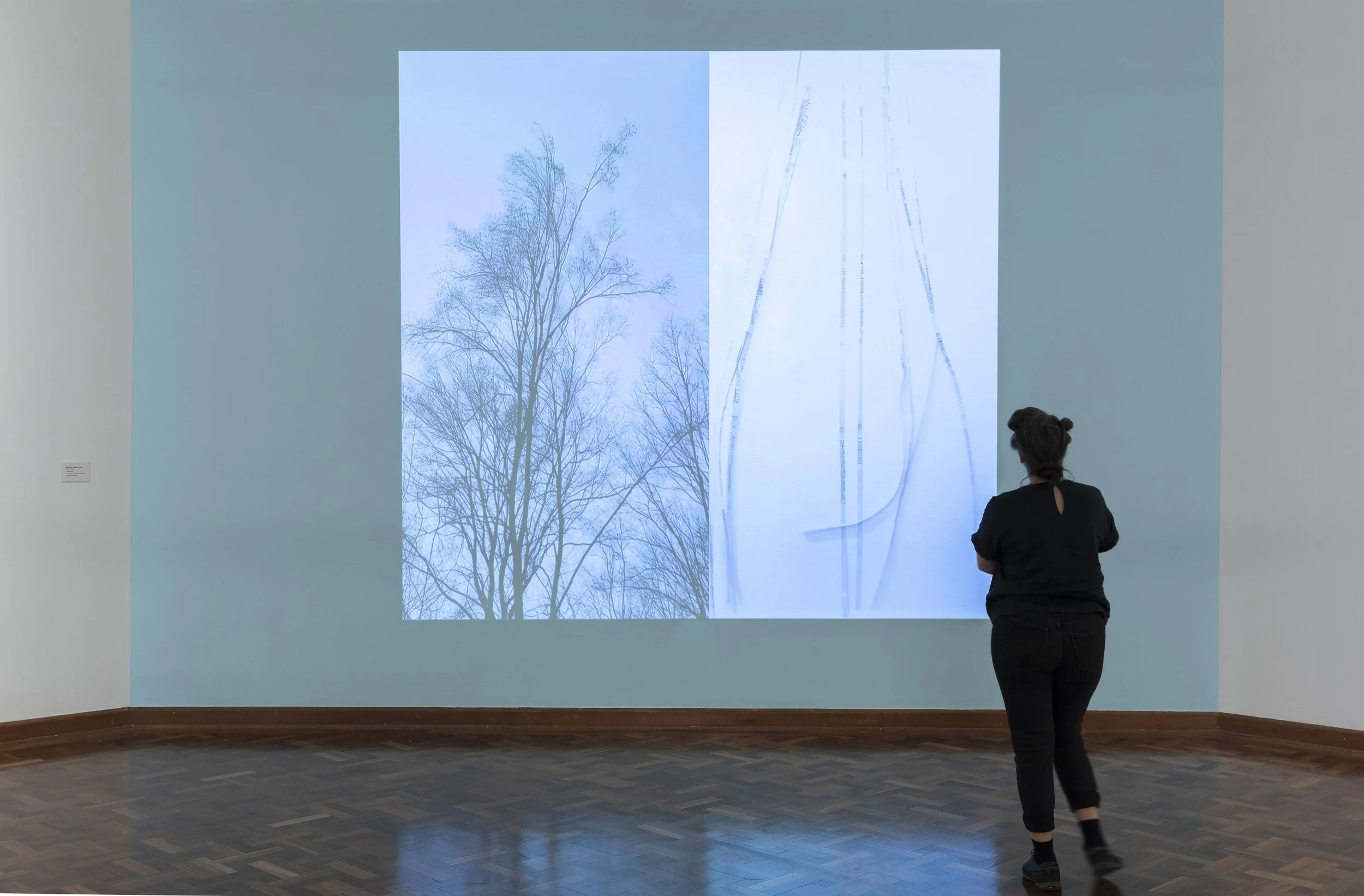
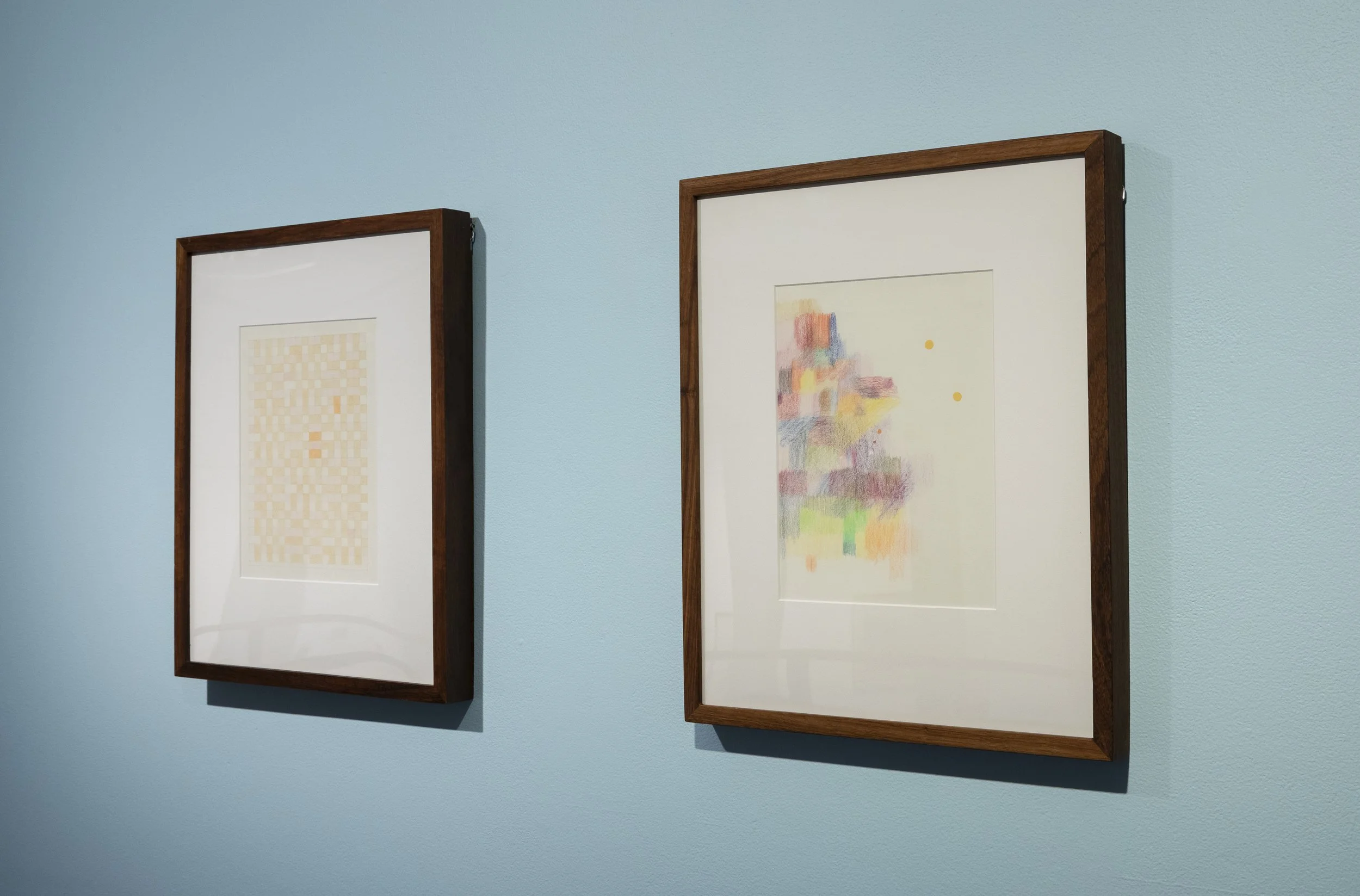
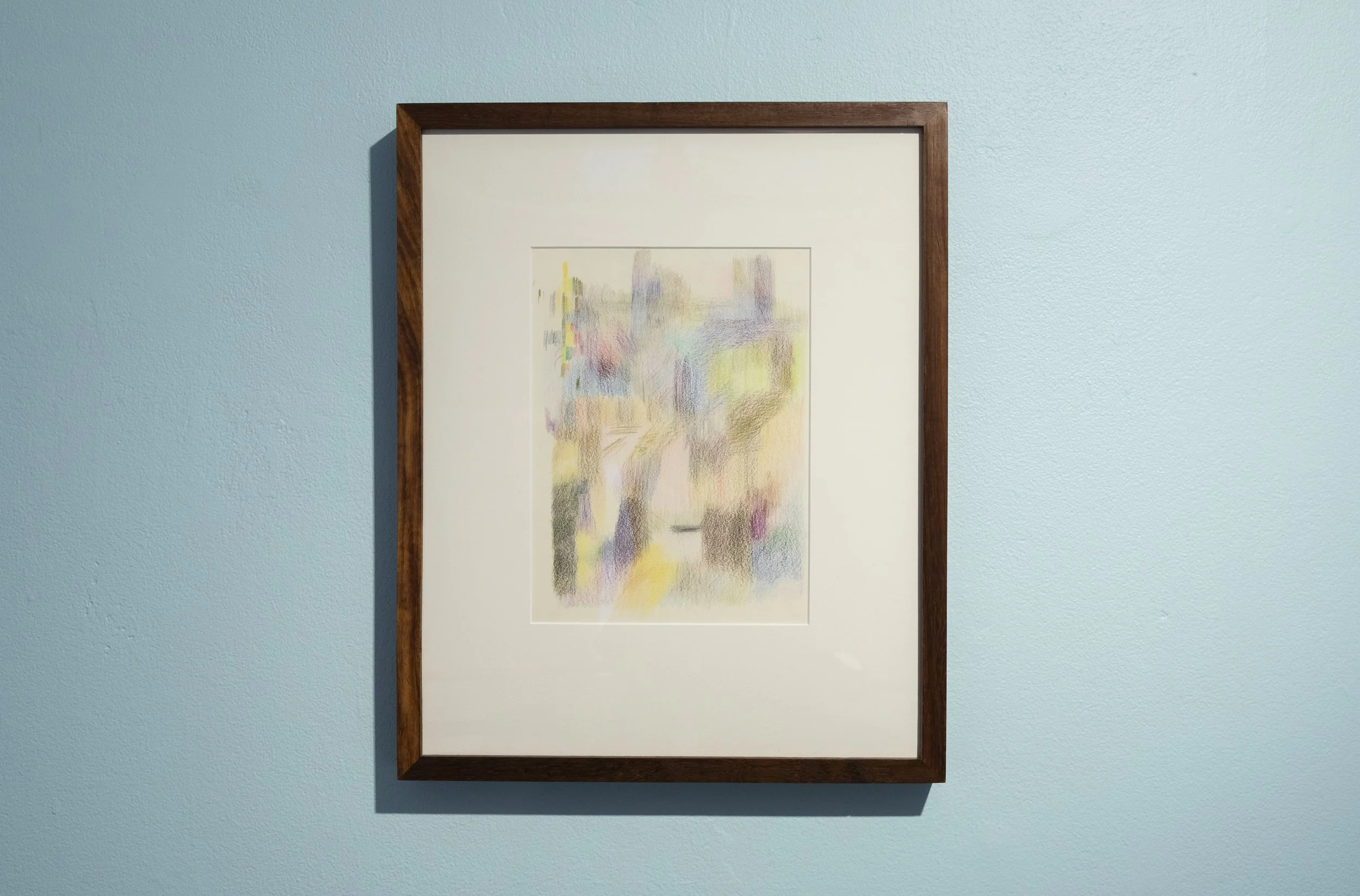
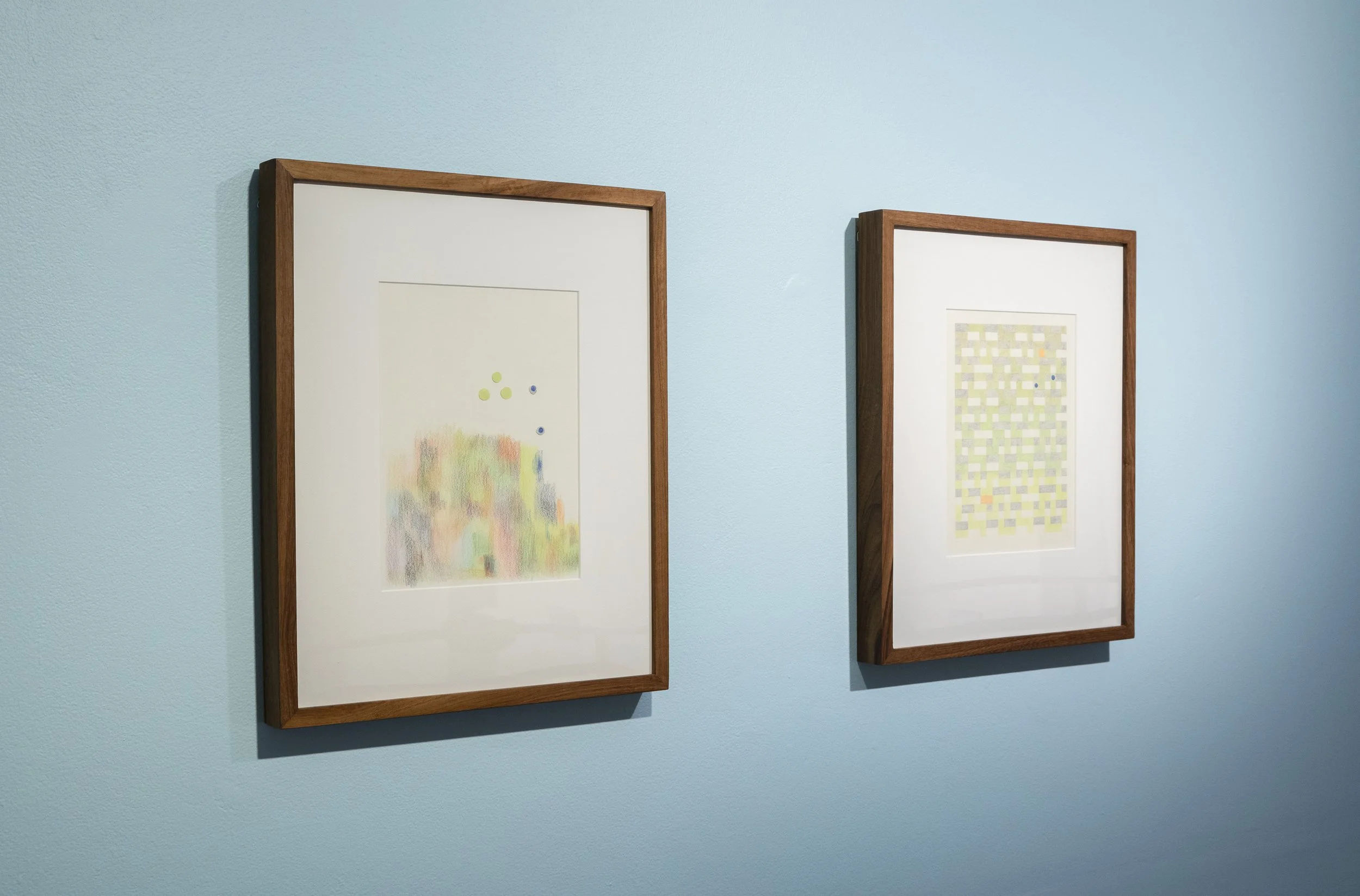
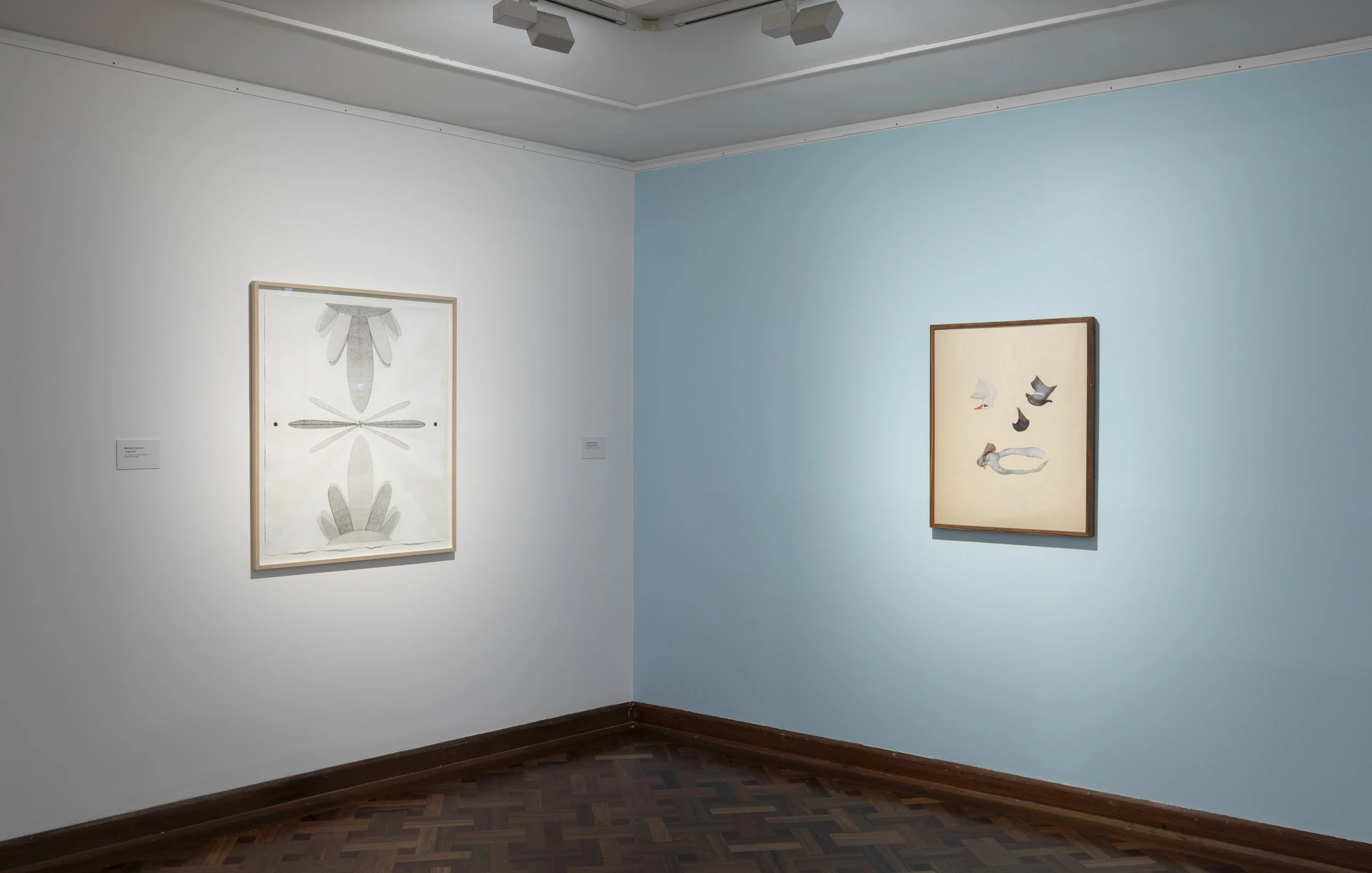
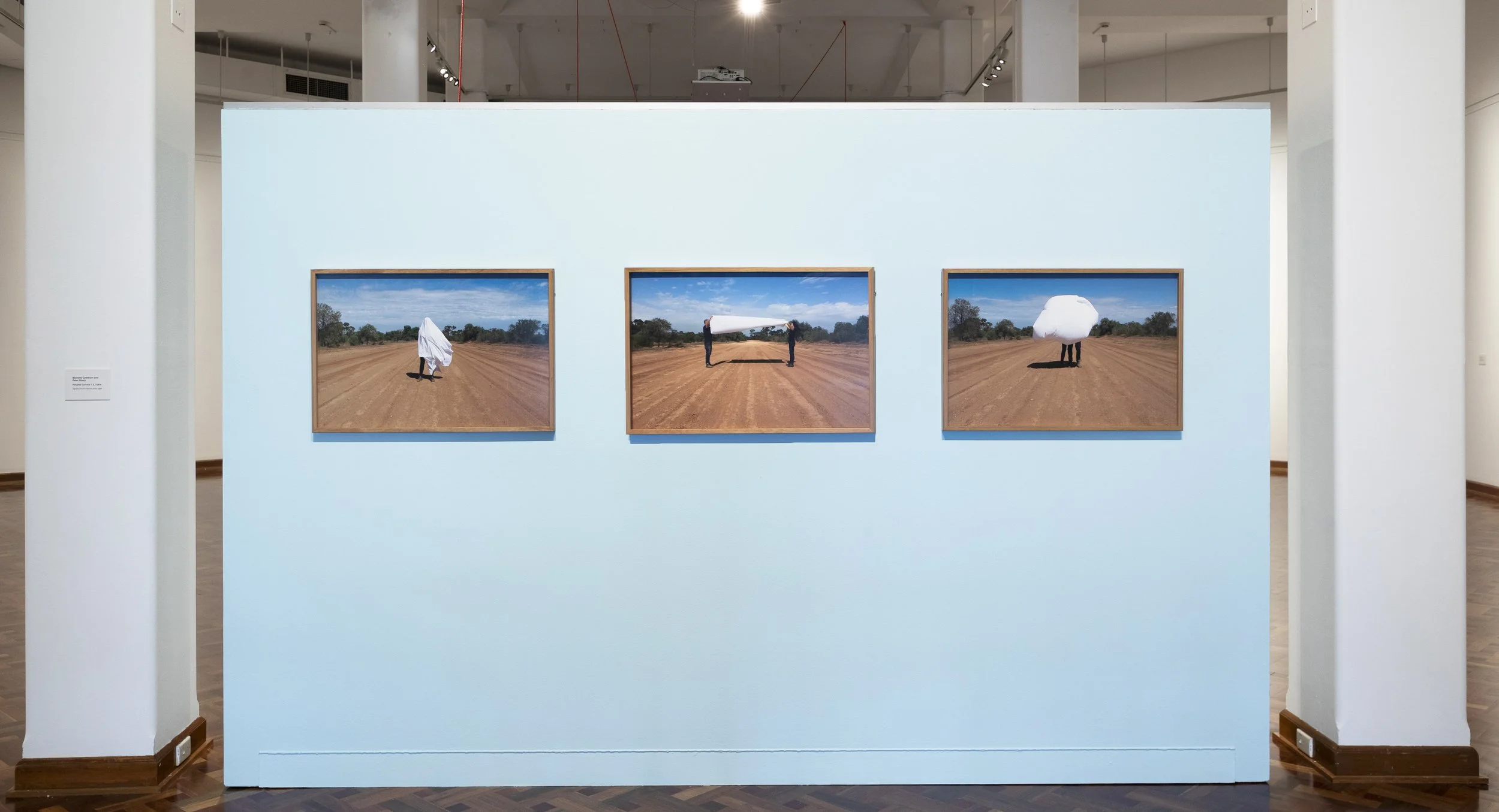
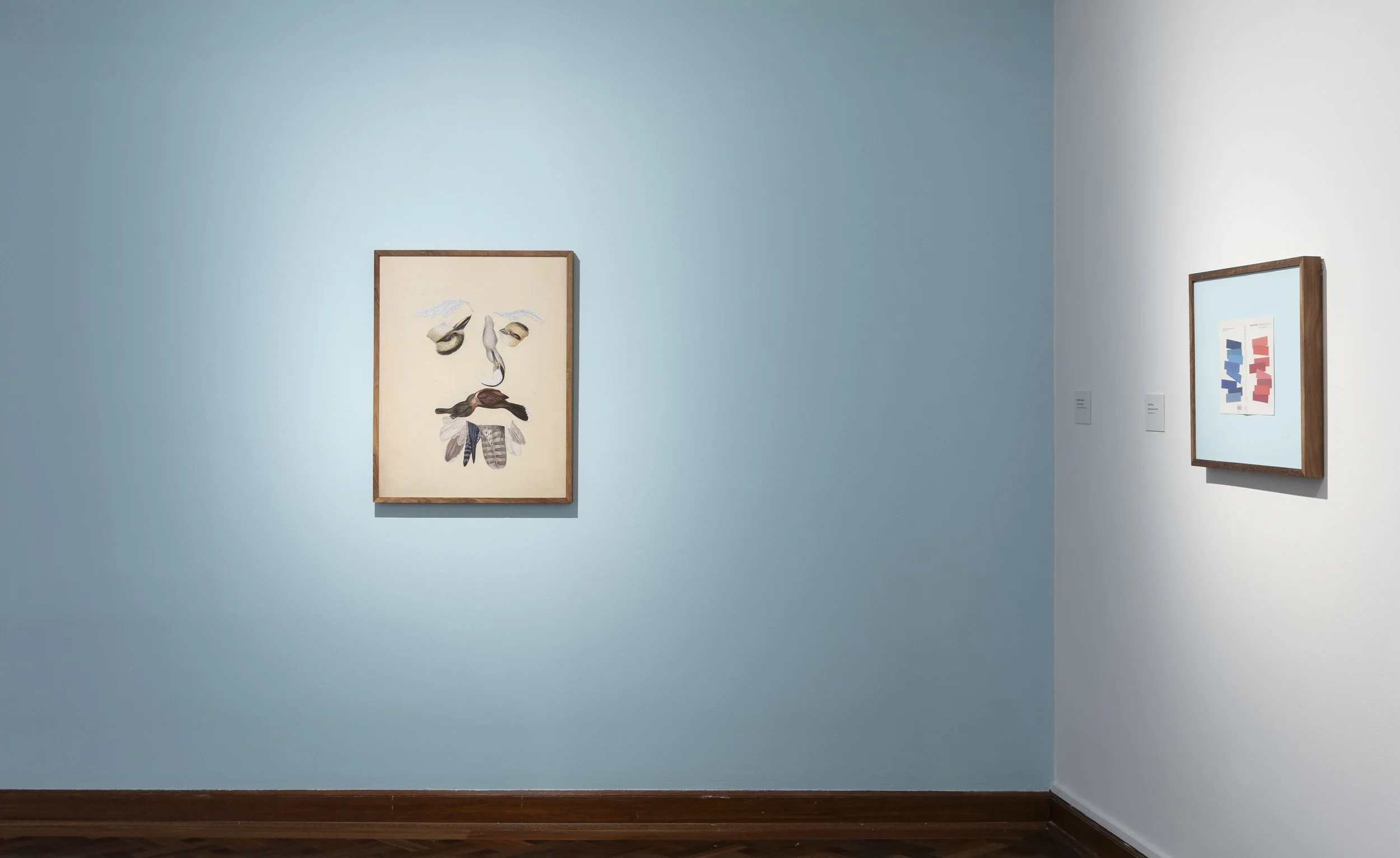
This is Not a Solo Show installation view
All images: Silversalt Photography
Act Three: There is no Greater Love - exhibition essay
by Elizabeth Reidy
This is Not a Solo Show is the third act in a developmental series of exhibitions in which Michelle Cawthorn and Peter Sharp explore the intersections of their artistic practices and their lives as partners. Their debut exhibition, of the same title, took place at Verge Gallery, Sydney, in 2016. The second act was held at Australian National Capital Artists Inc (ANCA gallery), Canberra, in 2024. As with the first two iterations of this collaboration, the third version of This is Not a Solo Show is an installation comprising Cawthorn and Sharp’s individual practices, their artistic responses to each other’s work, and a series of co‑created artworks. For Wollongong Art Gallery specifically, this iteration also extends to include two new bodies of work developed in dialogue with historical artist couple Josef and Anni Albers.
The first work in eyeline as you enter the gallery is Cawthorn and Sharp’s first collaboration, Hospital Corners, a photographic triptych created specifically for Verge Gallery. At the time Cawthorn was in the emerging stages of her artistic career while Sharp was already well established. Using photography and performance, the pair performed a simple domestic gesture well known to most couples, folding the bed sheets. The work is humorous and delightful. It is surprising to think this was both artists first foray into photography as an artistic media. Shot on a dirt road near Cobar in Regional NSW, the images capture the essence of coupledom with a unique combination of utilitarianism and the ridiculous. Love is a function as much as a feeling — one that readily shapes the small things in life, like our domestic chores.
Moving into the central gallery space are a series of sculptural works reconstructing an installation fondly titled Forward Planning which featured in the original iteration of This Is Not a Solo Show at Verge Gallery. Linked with a system of ropes and pulleys the sculptural works are reflective of the push and pull of relationships. The weights and levities of family duties, domestic needs, work, sex and art making are explored in relation to each other through a series of abstracted, though recognisable, sculptural pieces. A shovel, a bedhead and a mysterious ‘special’ black pillow to name a few. The installation is an insight to the mechanics of Cawthorn and Sharp’s relationship — and the mechanics of give and take that are universally at play in marriages everywhere.
Flanking the walls either side of the gallery are two new bodies of work developed in 2025 when Cawthorn and Sharp spent two months at the Albers Foundation Residency, a live-in studio program located in a broadleaf New England forest in Connecticut. The Albers Residency proved to be an incredibly fertile space for the couple to explore their own respective practices and interlocking relationship against the mirror of acclaimed 20th century artist couple Anni and Josef Albers. The Albers’ were married for fifty years. Anni was a prolific and influential weaver and Josef, a prominent art educator and modernist painter.
On arrival at the residency they began looking for ways to connect and exchange with their historical counterparts. Cawthorn’s artistic dialogue with Anni Albers came through their shared meticulousness, attention to detail and love of the natural world. Anni’s instructional text On Weaving outlays modernist weaving patterns with colour schemes indicative of the historical modernist movement of Bauhaus. Anni’s ‘Fundamental Construction Techniques’ for weaving presented Cawthorn with the perfect entry point in her drawing practice to explore soft colour blending in the structural modernist oeuvre of Anni’s weaving blueprints while simultaneously utilising the colour schemes of the trees, grasses, the lake, sky and broader grounds of the residency in present day. A chance finding of a copy of John Gould’s Birds of Australia, complete with illustrations by Gould’s wife, Elizabeth, alongside another beautifully illustrated book titled Birds that Hunt and are Hunted by North American author Neltje Blanchan saw Cawthorn continue her love affair with the natural world creating a new series of bird collage works combining Australian birds with the native birds of North America.
Sharp’s response to Josef Albers takes the form of ninety mixed media paintings superimposed on the pages of Albers art education instruction masterpiece The Interaction of Colour. Sharp’s response to Josef Albers cycles back to his own experiences creating and teaching, with colour, style and form. The ninety small paintings appear almost quilt like. Albers templates of colour and form is completely spun on its side with Sharp’s gestural exchanges. There is an incredible gracefulness in the self-portrait diptych works and one cannot help but feel the two artists are wryly peering at each other across space and time curiously accepting of each other’s stylistic differences.
The video work Tickle is Cawthorn and Sharp’s most recent collaboration. The Albers Residency was their first experience sharing a studio, and Tickle was created within that newly shared environment.
When looking at this third iteration of This Is Not a Solo Show, it is worth reflecting on the influence people can have on one another simply in sharing a studio, let alone a home, a family and an artistic vision for the future. This indeed is not a solo show. It is a decade-long portrait in the making. It is a work in progress. It is artistic evidence of the interlocking of two people’s lives and their passions — and proof there is no greater love, with all the nuance, vagary and complexity that beguiles two lives inextricably steeped in art.
February, 2026